

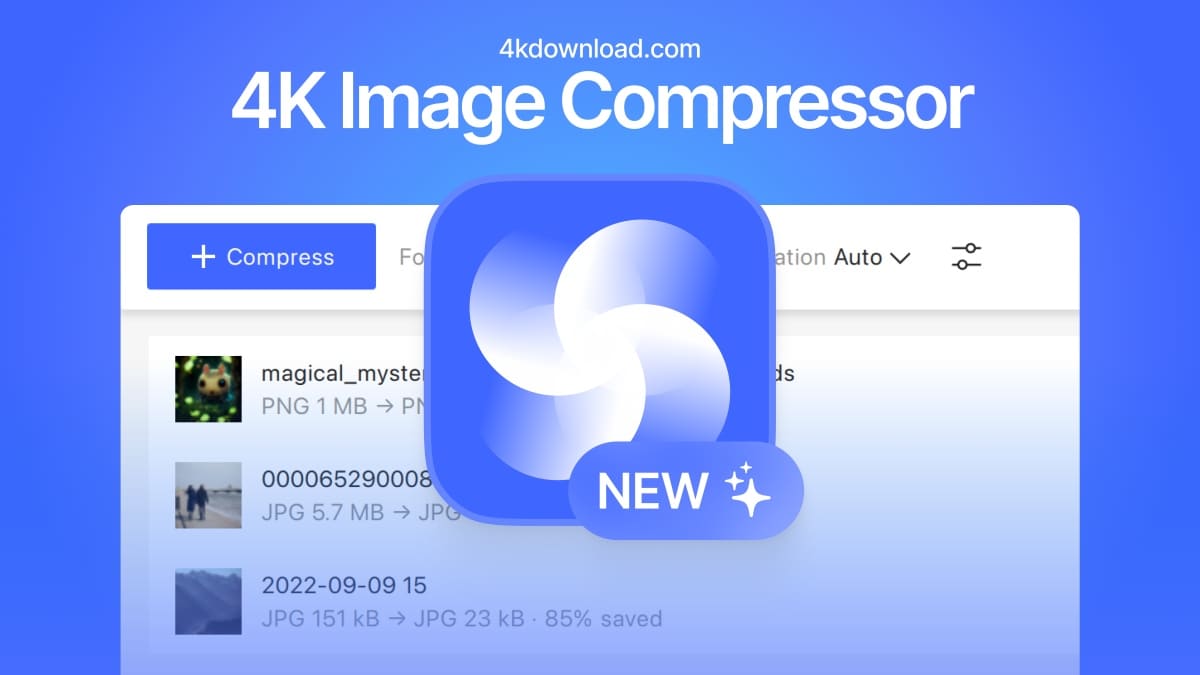
- Steps to download the 4K Image Compressor Pro
- Overview
- How does a 4K Image Compressor Pro work?
- Benefits of using a 4K Image Compressor Pro
- System Requirements
- Where to find the official download link
- Advantages of compressing images to PNG format
- Differences between WebP and PNG formats
- How does image compression save storage space and easily share images?
- Optimizing images for social media platforms
- Resizing images without sacrificing quality
- Efficiently reducing image size and storage space
- Increasing website loading speed with compressed images
- Supporting popular image formats like JPEG, PNG, and WebP
- Instructions for compressing and resizing multiple images
- Customizing image compression to specific file sizes
- How do you download
To download the 4K Image Compressor Pro, users can easily follow a few simple steps. Firstly, they need to visit the official website of the image compressor. Once on the website, they should look for the download button specifically labeled for the 4K version. After clicking on the designated download button, users will be prompted to select the location on their device where they want to save the file. Finally, they just need to wait for the download process to complete and then they can start using the 4K Image Compressor Pro to reduce the size of their high-resolution images.
4K Image Compressor Pro software overview
4K Image Compressor Pro software overview: The software designed for compressing 4K images allows users to easily shrink their high-resolution photos into a smaller size without losing quality. This free image resizer application runs seamlessly and can optimize photos in a particular size in megabytes. Users can post their photos online without worrying about large file sizes, as the software can automatically convert them into smaller file sizes in just one go. The lossless image compression technology used in the software ensures that the photos retain their quality while reducing the size in kilobytes and bytes.
The software is available in multiple languages, including Czech, Hungarian, Korean, dutch, Portuguese, Swedish, and Turkish, making it accessible to a wide range of users around the world. Whether you are a professional photographer looking to optimize your portfolio or a casual user wanting to save storage space on your device, this 4K Image Compressor Pro software offers the perfect solution for all your image compression needs.
How does a 4K Image Compressor Pro work, you may wonder? Well, first, the image is uploaded to the compressor software which then uses algorithms to reduce the file size without compromising the quality. The software achieves this through optimization, by removing unnecessary data and adjusting the image’s color and resolution. Once the compression is complete, you can post your photos online or share them with others, saving time and space in 4K Image Compressor Pro. The process is seamless and efficient, allowing you to enjoy high-quality images without sacrificing storage space.
With the increasing popularity of high-resolution displays, it’s important to optimize your images for fast loading times without sacrificing quality. A 4K Image Compressor Pro allows you to reduce the file size of your images without compromising on resolution. This means you can post your photos online without worrying about slow loading times or running out of storage space. Additionally, using a 4K Image Compressor Pro ensures that your images remain seamless and sharp on all devices, from smartphones to desktop computers. By reducing the file size of your images, you can save bandwidth and improve the overall user experience.
Compatibility and system requirements for downloading are crucial factors to consider when installing software. To ensure a smooth and successful download, users need to check if their device meets the necessary 2024 specifications. This includes a compatible operating system, sufficient storage space, and the necessary hardware components. Failure to meet these requirements could result in the software not working properly or not being able to download at all. It is important to thoroughly review the system requirements before attempting to download any software to avoid any issues.
Additionally, users should also consider the Compatibility of the software with other programs or applications already installed on their device. Some software may have conflicts with existing programs, leading to performance issues or software crashes. Checking for 2024 compatibility with other software can help prevent these issues and ensure that all programs can run smoothly together. By being mindful of compatibility and system requirements, users can maximize the performance of their devices and enjoy a seamless downloading experience.
Official download links for software, applications, and updates can usually be found on the official website of the product or developer. This is the safest and most reliable source to obtain the latest version of the software with all the necessary updates and security registeredes. To find the official download link, simply visit the website of the software or application you are looking for and look for a prominent button or section that says “Download” or “Get the software”. It is important to avoid downloading software from third-party websites to prevent installing malicious software or malware on your device.
1. Lossless compression: PNG format uses lossless compression, which means that the image quality is retained even after compression. This is important for preserving the details and clarity of an image, especially when it needs to be displayed on high-resolution screens.
2. Transparency support: PNG format supports alpha transparency, allowing for images with transparent backgrounds to be displayed seamlessly on websites or digital platforms. This is especially useful for logos, icons, and other graphics that require a transparent background.
3. Small file size: Despite being a lossless format, PNG files tend to have smaller file sizes compared to other uncompressed formats like BMP. This makes them ideal for web use, where faster loading times are crucial for user experience.
WebP is a relatively newer image format developed by Google, known for its smaller file sizes compared to PNG. The compression algorithms used in WebP allow for higher-quality images with smaller file sizes, making it ideal for websites with a lot of imagery. On the other hand, PNG is a more established format that supports transparency and is widely compatible with various platforms and browsers. However, PNG files tend to be larger compared to WebP, which can impact website loading times and overall performance.
Resizing images can be done effectively without sacrificing quality by using advanced image resizing techniques such as content-aware resizing and seam carving. These methods analyze the content of the image and intelligently remove unnecessary pixels, preserving important details and overall visual quality. Additionally, using lossless compression algorithms can help reduce the file size of the image without degrading its quality. By carefully selecting the right tools and techniques, it is possible to resize images while maintaining their sharpness, clarity, and overall visual appeal.
One way to efficiently reduce image size and storage space is by resizing images before uploading them. This can be done using image editing software or online tools that allow you to adjust the dimensions and compression levels of the image. By reducing the physical dimensions and quality of the image, you can significantly decrease the file size without sacrificing too much visual quality. Additionally, converting images to compressed file formats such as JPEG or PNG can also help reduce storage space, as these formats use lossy compression algorithms to further decrease file size.
Another strategy for efficiently reducing image size and storage space is to implement responsive image techniques on websites. This involves serving appropriately sized images based on the user’s device capabilities, screen size, and resolution. Lazy loading images is another technique that can help improve load times and save storage space by only loading images when they are needed, rather than all at once. By optimizing images in these ways, you can improve overall website performance and reduce storage costs.
In addition to resizing and optimizing images, properly organizing and storing images can also help save space. This includes utilizing image compression software that automatically compresses images without losing quality, as well as implementing cloud storage solutions that allow for easy access and organization of image files. By efficiently managing and reducing image size and storage space, you can optimize the performance of your website or application and save storage costs in the long run.
Compressing images is a crucial step in optimizing website loading speed. Large image files can significantly slow down a website’s performance, especially on mobile devices with limited bandwidth. By using tools to compress images before uploading them to a website, web developers can reduce the file size without sacrificing image quality. This allows for faster loading times and a smoother user experience.
Benefits of using compressed images in 4K Image Compressor Pro
Using compressed images not only improves website loading speed but also reduces bandwidth usage and storage costs. Additionally, it can improve search engine optimization by boosting the website’s performance metrics. By incorporating compressed images, websites can offer a better user experience and increase engagement with visitors.
Supporting popular image formats like JPEG, PNG, and WebP is essential for ensuring compatibility and flexibility in displaying images on various platforms. JPEG is widely used for photographs and images with complex colors, while PNG is popular for its lossless compression and support for transparency. WebP is a newer format that offers both lossy and lossless compression options, as well as support for animations. By supporting these formats, developers can provide a better user experience by delivering high-quality images that load quickly and look great on any device.
Step 1: Select all the images you want to compress and resize.
Step 2: Use photo editing software or an online tool to batch compress and resize the images.
Step 3: Choose the desired dimensions for the images and set the compression level to reduce file size.
Step 4: Save the compressed and resized images in a separate folder to keep them organized. By following these steps, you can easily compress and resize multiple images quickly and efficiently.
Customizing image compression allows users to adjust the level of compression applied to an image to achieve a specific file size. By customizing the compression settings, users can ensure that their images are optimized for web use without sacrificing quality. This level of control is especially useful for websites that have strict file size limitations or for individuals who want to ensure their images load quickly on mobile devices. Customizing image compression to specific file sizes requires an understanding of image formats, compression algorithms, and the desired balance between image quality and file size. With the right tools and knowledge, users can confidently tailor their image compression settings to meet their specific needs.
- Download from the given below direct downloading method.
- Disable your real-time antivirus protection.
- Now run the “4K Image Compressor Pro – mhktricks.net.exe” file from the the.ZIP file and click the Accept button.
- Now click on the product icon. Product keys for the windows or office that you want to be with lifetime license.
- Click activate, and after a few seconds, your product is with lifetime license
- That’s it. Enjoy! Now restart your windows.
If you like it and want to download it, you first need to share this post with your friends and family on Facebook, Twitter, and Google Plus and give us feedback.